Mihira: The Eternal Arc Reveals Time-Shifting Combat
Studio Yeoun’s upcoming PC adventure shifts locations between past and present, combining deliberate melee combat, crowd stealth and traversal within a world inspired by Indian history.
By Zee Cruz, RPG WriterPublished 5 min read
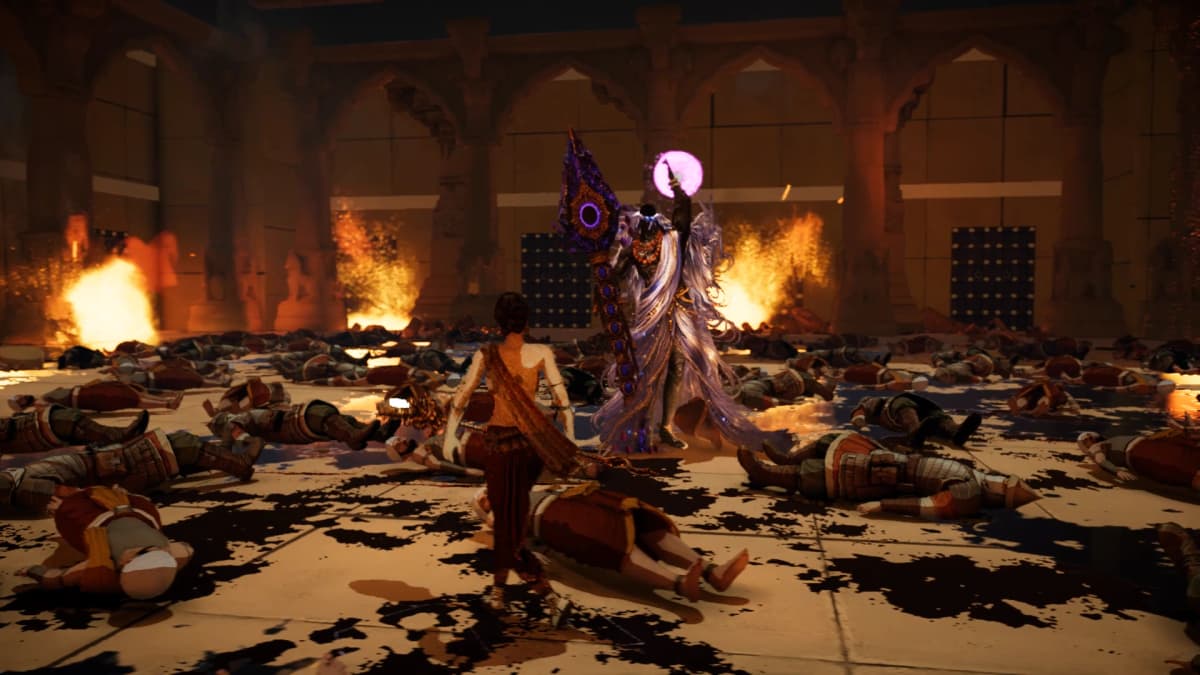
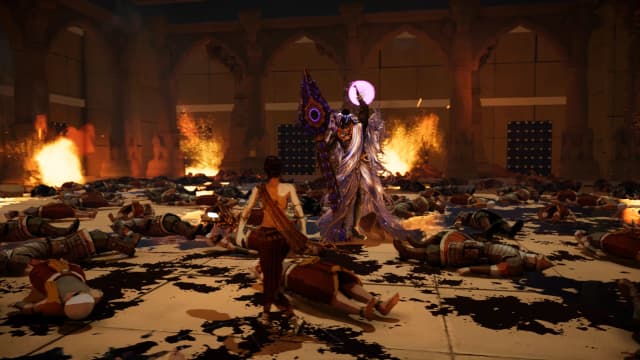
Studio Yeoun has introduced Mihira: The Eternal Arc, a single-player PC action-adventure that makes movement between past and present a central part of combat and exploration. The game combines deliberate melee encounters, stealth and environmental traversal within a world influenced by Indian history.
Mihira is currently in development for Steam. Studio Yeoun has not announced a release date or price, but its official materials provide a clear look at how the timeline mechanic will affect routes, enemies and the condition of the world around its protagonist.
Mihira’s time shift changes routes and encounters
The story follows Gargi, a warrior whose life is shattered by a devastating attack. Her fight for survival grows into a wider mystery after she discovers a power capable of moving her between the ruined present and an earlier version of the same world.
Changing the active timeline can restore parts of a location, reveal paths that no longer exist in the present or introduce different characters and threats. Progress therefore depends on recognizing not only where an objective is located, but which period provides a way to reach it.
The mechanic also affects enemy encounters. Timekeepers are linked to the stability of the timeline and can force Gargi back into the present, temporarily preventing another shift while additional threats emerge. This gives the system a role beyond environmental puzzle-solving: enemies can directly interfere with the player’s ability to control the battlefield.
Fragments connected to the Eternal Arc form part of the wider mystery. The official Steam description also says player decisions will influence encounters, progression and Gargi’s eventual fate, although Studio Yeoun has not explained the scale or structure of those choices.
Combat supports different weapons and defensive options
Mihira’s close-range combat includes light and heavy attacks, blocking, parrying, rolling and evasive movement. The studio is also developing multiple weapon types with distinct rhythms, including faster close-range options and heavier weapons that exchange speed for greater damage.
Those systems suggest that reading an opponent and choosing when to commit will be important. Players will be able to respond defensively, reposition under pressure or change weapons when an encounter calls for a different approach. Major bosses are also planned around important locations and points in the story.
Direct combat will not always be required. Gargi can use stealth to move through hostile areas, isolate important enemies and blend into crowds while tracking Timekeepers. The crowd system could give populated spaces a different tempo from the game’s more direct battles, although the full range of enemy awareness and stealth options has not been detailed.
Traversal extends beyond ordinary ground movement. Confirmed actions include climbing, mantling, moving across ledges, balancing and navigating environmental obstacles. Together with timeline shifting, these abilities allow different versions of one location to function as interconnected exploration spaces rather than separate levels.
An Indian-inspired journey designed to cross different eras
Mihira begins around a fractured palace, but Studio Yeoun intends the wider journey to extend into different ancient periods inspired by Indian history. These eras are connected through the Eternal Arc, the fragments scattered across time and the consequences of changing events in the past.
The setting is described as inspired by history rather than a direct reconstruction of one specific period. That distinction gives the studio room to change the architecture, characters, enemies and visual identity of each era while maintaining one continuous story.
At the center of the mystery is the Cosmic Sage, whose connection to time and Gargi’s journey has not yet been fully explained. Studio Yeoun is keeping those details unresolved as part of the narrative rather than presenting the character’s role in advance.
The development fact sheet supplied to NEXTARCA says the current demo arc introduces combat, traversal, stealth, weapon switching, bosses and the first major timeline changes. It concludes with a gateway toward another place and historical period. However, the studio has not announced that build as a publicly downloadable Steam demo.
Release date, price and console plans remain unannounced
Mihira: The Eternal Arc is confirmed for Windows PC through Steam, with Studio Yeoun serving as both developer and publisher. Its store page identifies it as a single-player game and categorizes it under Action, Adventure, Indie and RPG.
No multiplayer or cooperative modes have been announced. Console versions, cross-play and cross-progression are also unconfirmed and should not be assumed from the current PC announcement.
The game’s exact release date, price, engine and official age rating remain unknown. Its current Steam page contains preliminary PC specifications, but some entries are incomplete or inconsistent, so they should not yet be treated as final hardware requirements.
Players can watch the official gameplay trailer and add Mihira: The Eternal Arc to their Steam wishlist. Studio Yeoun’s next confirmed development update will need to clarify release timing, public demo availability and finalized PC requirements.
About The Game
Mihira: The Eternal Arc
A narrative-driven action-adventure spanning fractured timelines
RPG, Action, Adventure, Indie
- Developer
- Studio Yeoun
- Publisher
- Studio Yeoun
- Release Date
- TBA
Comments0
No comments yet. Be the first to share your thoughts.