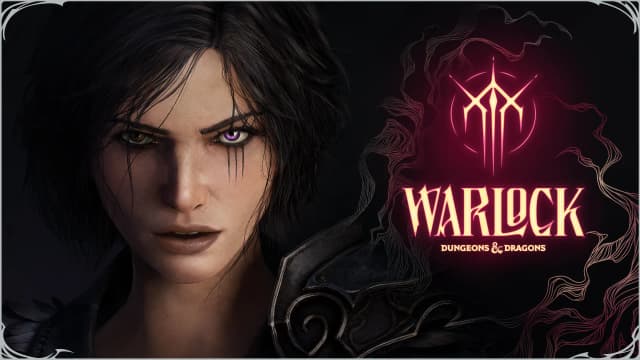
Warlock: Dungeons & Dragons Developer Explains Its Open World
Invoke Studios head Dominic Guay has explained how world density supports Warlock’s exploration design. The upcoming Dungeons & Dragons adventure encourages players to investigate their surroundings and use magic to find their own solutions.
By Zee Cruz, RPG WriterPublished 3 min read
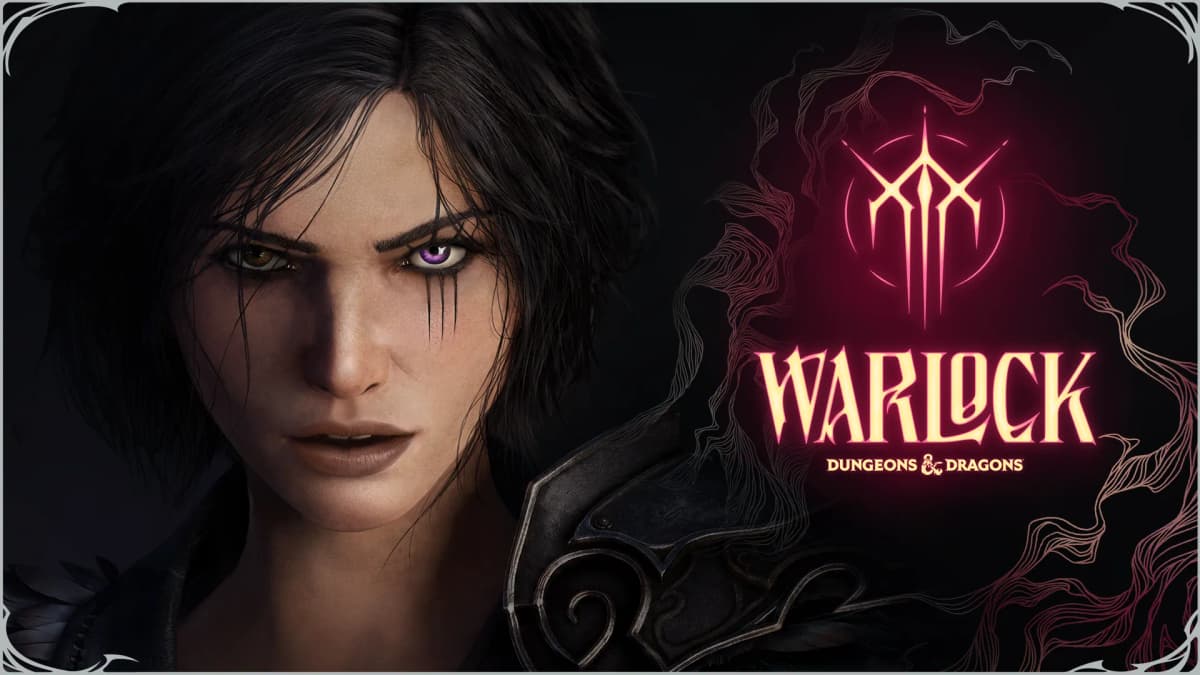
Warlock: Dungeons & Dragons developer Invoke Studios has explained how it plans to make exploration work with less explicit guidance. Studio head Dominic Guay says world density gives the team room to let players discover their own leads, adding a design rationale to the clue gathering shown in earlier gameplay coverage.
In an Edge interview reported by GamesRadar, Guay said: “By having a bit more density, we can afford to pull back a little bit on the handholding.”
What the latest comments add
Invoke had already described its approach to waypoints in Xbox Wire’s August 28 gameplay coverage. Developers told the outlet that players would gather information and investigate their surroundings to progress between story moments.
Guay’s comments explain why the studio believes that approach can work. He connects reduced guidance to world density, suggesting that the places players investigate should provide the information they need to continue.
That is a statement about design intent. The quoted comments provide no map measurements or evidence that the world has been reduced during development.
Clues identify the problem, while spells offer a solution
Earlier demonstrations give that explanation a practical shape. Xbox Wire described Kaatri speaking with villagers, noticing traces outside a building, and investigating an entrance that led to a Mystery, the game’s name for a side quest.
In that example, the player has to recognize a lead and act on it. The environment contributes information that a quest marker would otherwise supply.
Finding a destination is only part of the exploration design. In a separate GamesRadar demonstration report, Kaatri used tentacle magic to attach a stone slab to a wall and create a platform through damaged terrain.
That interaction makes nearby debris relevant to navigation. For a player, the useful question becomes whether an object can help build a route through the obstacle.
The official spell descriptions support that broader role for magic. Misty Step permits short distance teleportation, including passage through certain grates, while Otherworldly Leap covers a large distance. These announced functions give players reasons to examine barriers and gaps with their available abilities in mind.
What D&D players should take from this
Warlock is a single player action adventure built around Kaatri, an established warrior who makes a pact with Tasha. Its exploration examples show how the game applies spellcasting to immediate problems in the world.
NEXTARCA’s reading of the demonstrated systems is that investigation and magic serve complementary roles: clues help players decide where to look, while spells can change how they reach or interact with a location.
The remaining question is how clearly those opportunities are communicated throughout the finished game. A few demonstration encounters cannot establish how varied or consistently readable the full world will be.
Warlock is planned for PC, PlayStation 5, and Xbox Series X|S in 2027, according to its Steam listing, PlayStation Store page, and Xbox Wire coverage. An exact release date remains unannounced.
About The Game
Warlock: Dungeons & Dragons
A single player fantasy action adventure built around magic and exploration
RPG, Action
- Developer
- Invoke Studios
- Publisher
- Wizards of the Coast
- Release Date
- Expected 2027
Comments0
No comments yet. Be the first to share your thoughts.